With self-care, patients take charge of their own health by making decisions based on evidence-based facts. This awareness helps patients practice preventive medicine and detect health threats early.
Leaders possess long-term vision and inspire others to make positive changes. These individuals may lead bold startup firms, entire nations or even change the course of human history.
Nurses are critical for successfully delivering treatment in nearly all caregiving environments. As medical practices evolve, these professionals change in parallel to deliver the best possible health services to consumers.
In most instances, consumers’ initial contact with a care provider organization starts with a nurse. Because of this, it is critical that nurses possess capable interpersonal communication skills.
As the economic and social atmospheres in this country evolve with ever-increasing speed, the health care field is no exception. Another election will take place this year and could cause any number of shifts in how our government spends money and exerts
Nurses perform hundreds of critical, health-related tasks every day. In some cases, the decisions they must make test their professional and personal morality. The nursing code of ethics helps caregivers consider patient needs from several viewpoints and
Health care service requires considerable interdisciplinary cooperation. This cooperation does not happen automatically because individuals work for the same organization or share the desire to heal.
The Neuman Systems Model (NSM) is a practical guideline used by caregiving and administrative staff members to produce positive client outcomes. Dr. Betty Neuman developed the theory based on her education and professional experiences.
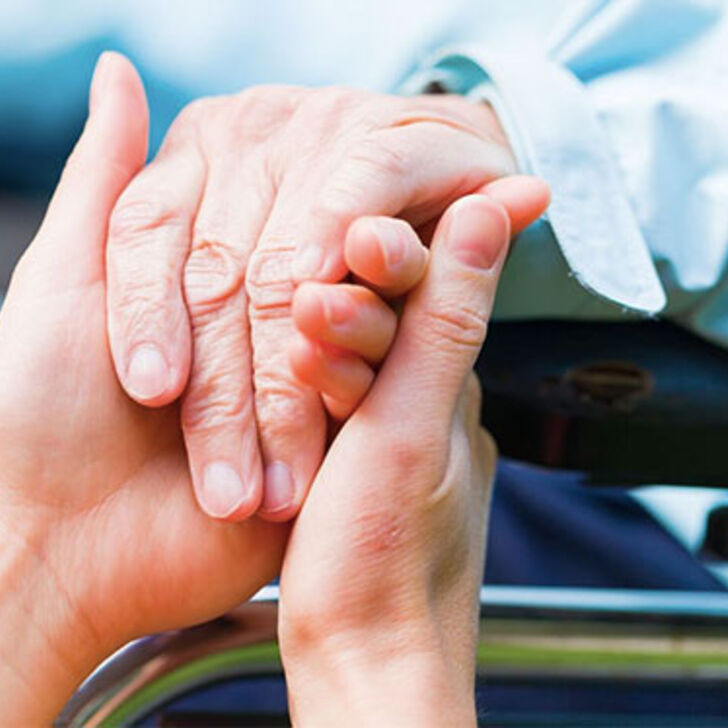
During end-of-life events, care providers and family members work together to deliver physical and emotional support for the patient. Attending to basic physical necessities, such as a comfortable room and soothing surroundings, helps provide relief.